How the Fundamental Principles of Architecture, Building, and Interior Design Can Affect How You Feel
22.09.2021
We are all aware that getting enough sleep, managing stress, exercising, and eating right all lead to a more balanced mind and body. However, the impact of the environment and surroundings we spend most of our time in also plays a significant role in our overall well being.
According to the 2001 National Human Activity Pattern Survey, on average, we spend 90% of our time indoors. On a primitive level as humans we need shelter but deeper than that we also crave an environment of comfort whilst at the same time feeling connected to the world around us. With research demonstrating a link between our physical health, emotional health, and home environment, it is vital to consider how we design, build and plan our home spaces.
Vaughan Design and Development believes that your home should be a place that you enjoy living in, increasing your quality of life. It’s why our building projects always give equal weighting to the indoors, rather than focusing on the exterior.
With that in mind, we thought we would tell you a little more about the building and interior design principles that differentiate our service offering from “traditional” construction outfits – starting with wellness architecture.
Wellness Architecture and Building Design
Wellness architecture is one of the fastest growing sectors of the building industry and with that shocking figure above from the National Human Activity Pattern survey, architects are increasingly incorporating principles of wellness into their designs.
The International Well Building Standard has determined seven key principles of a ‘well’ building, which centre around air, water, nourishment, light, fitness, comfort, and mind. Touching on a few of these principles we can see how effectively building these points into plans and designs can be hugely beneficial for the build environment.
Air
From incorporating toxin removing plants to using algae based biofuel, architects are finding exciting ways to improve the air quality and flow within their buildings.
Light
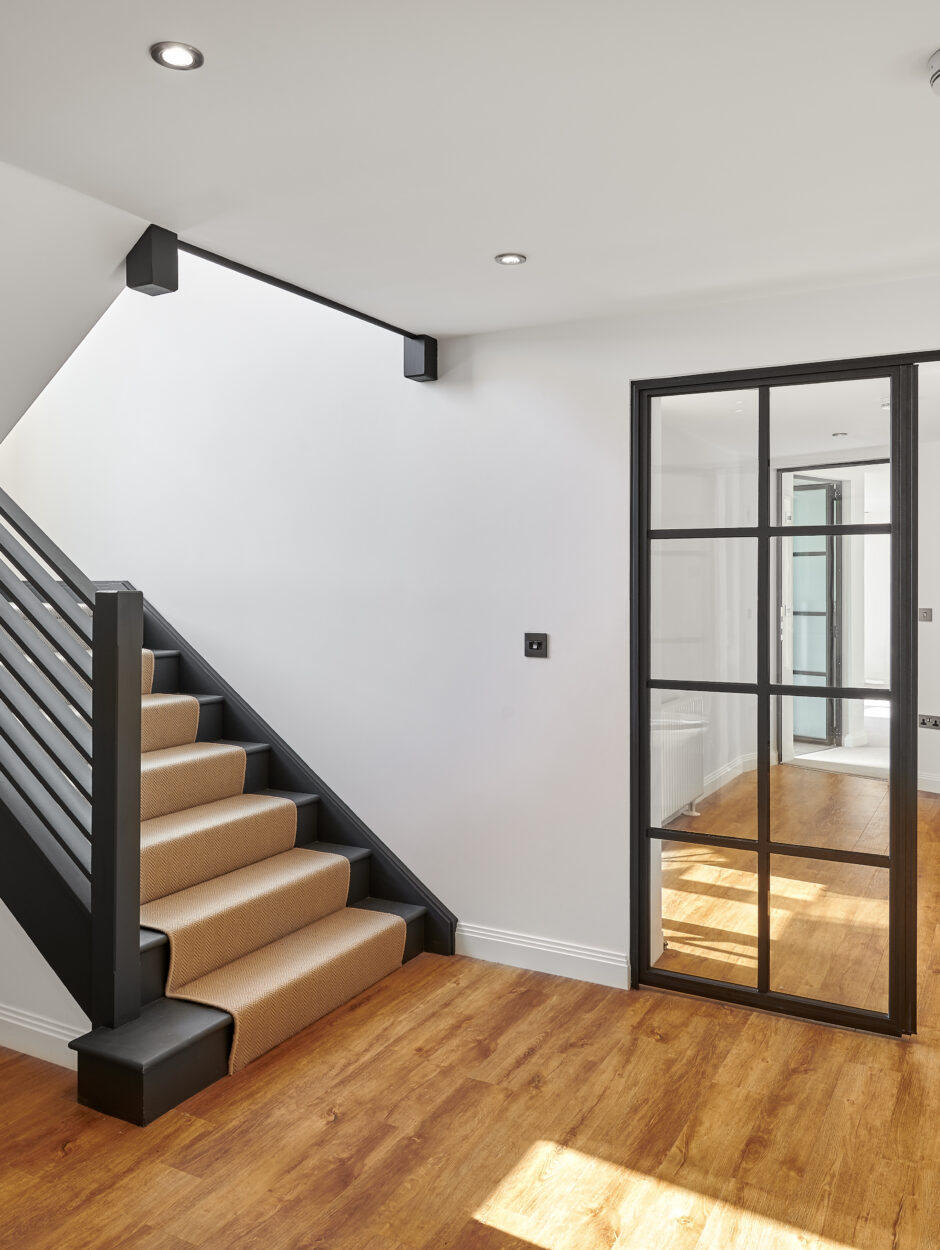
There is less chance of disruption to the body’s circadian rhythm by using light correctly. By incorporating effective window design and lighting controls, there is evidence that energy, mood and productivity improve.
Comfort
By creating an indoor environment that is distraction-free, productive, and soothing, well being is increased, and mental health becomes more balanced. Thermal and acoustic controllability can also be taken into account to increase levels of comfort.
Ergonomics and Biophilic Design
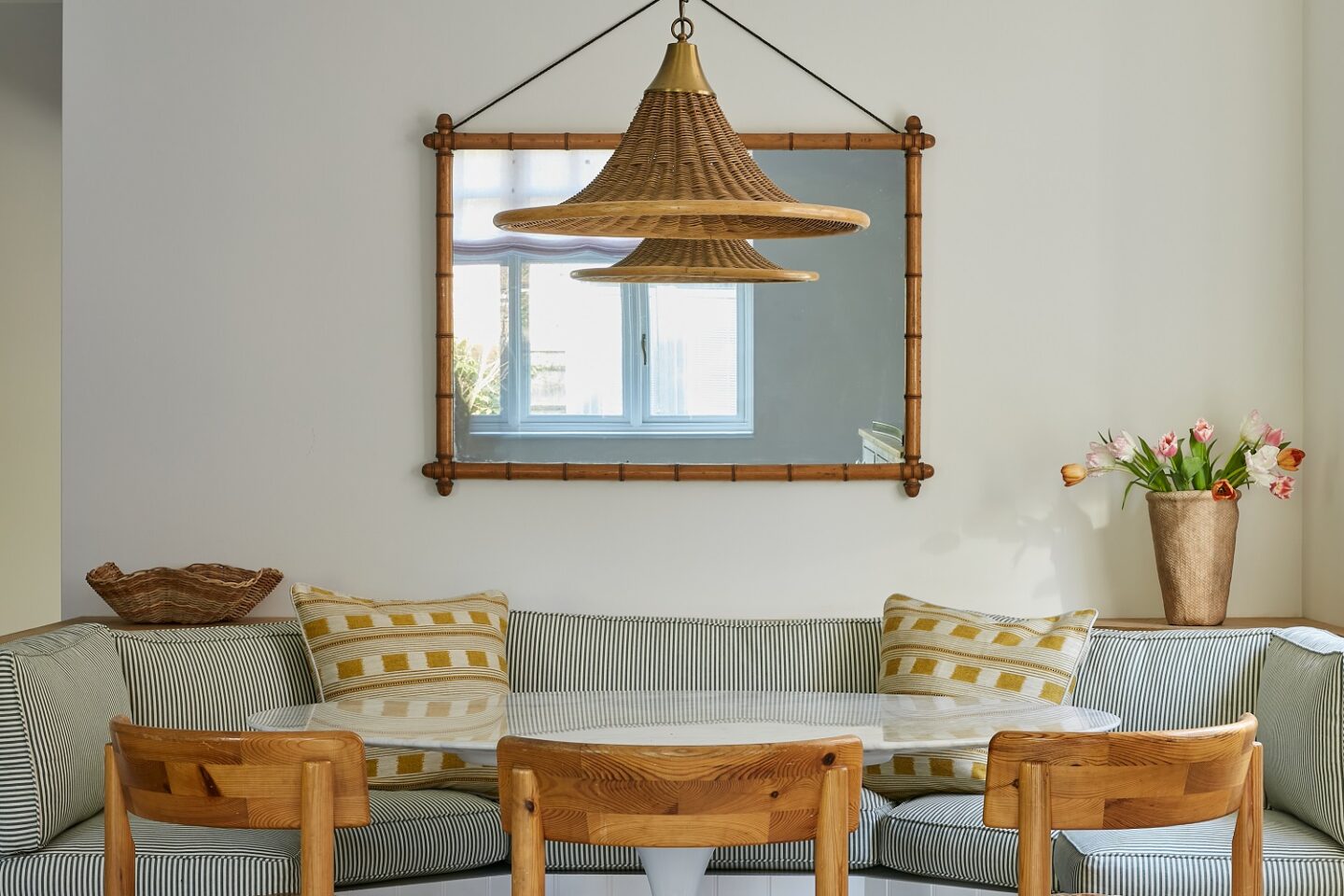
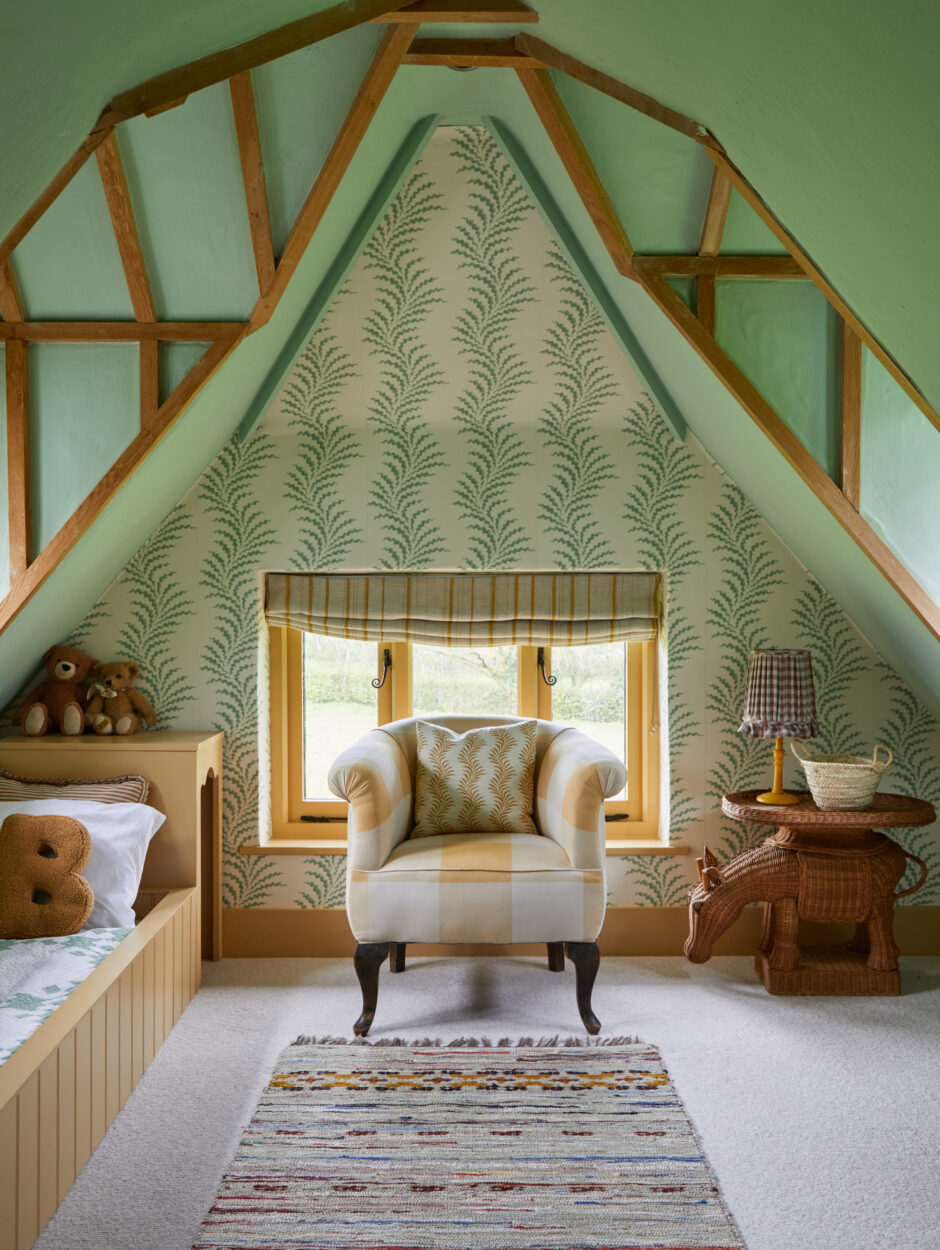
Studies have shown that elements of the natural world within the home positively affect our wellness. This concept is gaining ground among architects and interior designers, and our interior design team here and Vaughan Design and Development love incorporating nature into their projects.
Design that connects us to nature is proven to inspire us and boost productivity. According to some studies, design-based activities can even reduce stress levels (taking care of your plants after a stressful day can bring about a sense of relaxation and grounding). Bringing plants into the home can also filter out VOCs (volatile organic compounds) and many pollutants.
The choice of materials we use when building and deciding on finishes can also increase feelings of well being. For example, using organic materials such as wooden flooring and furniture rather than laminate or plastic encourages a feeling of being grounded in your environment and connected to the natural environment.
Interior Design
In his book, Space and Place: The Perspective of Experience, Yi-Fu Tuan, the Chinese-American geographer, talks about how memories of home are usually associated with the things in it that you can touch and smell (“the attic and the cellar, the fireplace and the bay window, the hidden corners, a stool, a gilded mirror, a chipped shell”) rather than the building in its entirety, which you can only process visually.
The subtleties of interior design can have a significant impact on mental and physical wellness. From the height of the ceilings to the presence of inspirational art, subtle but pervasive factors can improve mood, focus, and reduce anxiety.
For instance, having a cluttered environment has been proven to drain energy and harm mood and self-image. By contrast, the basic principles of colour psychology have revealed that long-wavelength colours, like reds, oranges and yellows, are stimulating, and short-wavelength colours, greens, blues and purples, are soothing.
Final Thoughts on the Relationship Between Our Homes and Our Well Being
In the 1954 issue of House & Garden, John Berger (English art critic, novelist, painter and poet) comments about choosing art for the home:
“Dogs, before they lie down, turn round several times – a habit that goes back to the day when they were wild and had to smooth down the grass or bracken. As I look around this room, the pictures, reflecting my own taste and personality more intimately than anything else, confirm that this is the space which – like a dog, but in a more complicated way – I have cleared for myself.”
Whilst the impact of the design of our homes is clearly personal, there is no doubt that incorporating wellness-focused interiors and construction practices into your new project will increase your (and your family’s) well being and quality of life.
By consulting with our experienced team, we can offer you a specialised, personal, and bespoke service to deliver a sustainable construction and a stylish, meaningful interior for your home.
To speak to us regarding a new holistic building project focused on improving all aspects of your quality of life, get in touch by phone on 01730 777845 or via email at info@vaughandesignanddevelopment.com.